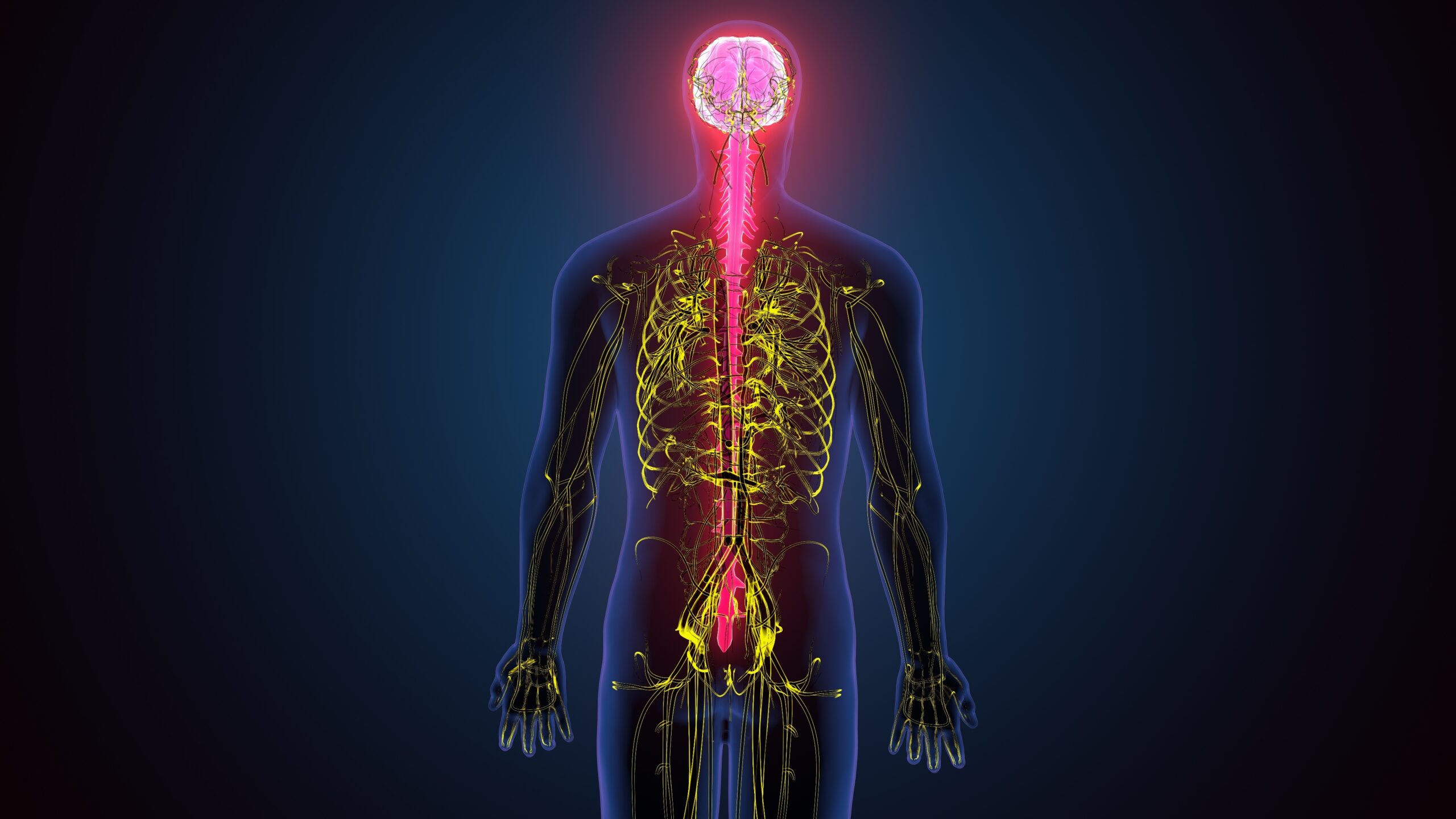
The Transformation of Pain Into a Daily Performance Metric
There was a time when pain was something you simply endured or reported when it became unbearable. It lived in the background of life, surfacing only when it demanded attention. That version of pain is disappearing.
Today, pain is increasingly being tracked, rated, logged, and analyzed in real time. It sits alongside sleep scores, step counts, heart rate variability, and calorie tracking as part of the modern self-quantification ecosystem. In many ways, pain has entered the same category as fitness and productivity metrics. It is no longer just experienced. It is monitored.
As a physician specializing in interventional pain management, I see this shift daily. Patients are no longer describing pain in isolation. They are presenting timelines, graphs, app summaries, and wearable reports. Pain has become part of a personal dashboard.
The Rise of the “Pain Log” and the Quantified Self
The quantified self movement began with simple step counters and sleep trackers. It has now evolved into full physiological monitoring systems that attempt to map human experience into structured data.
Pain is increasingly part of that system.
Patients now rate pain multiple times a day using mobile applications. They track intensity, duration, triggers, and response to medication or activity. Over time, this creates a personal dataset that reflects not just how much pain they feel, but when, why, and under what conditions it changes.
This is a major departure from traditional care. Instead of relying on memory during a clinic visit, we now have continuous self-reported and sensor-driven data streams.
Pain becomes less of a snapshot and more of a moving picture.
When Pain Becomes Comparable to Sleep and Fitness Data
One of the most interesting cultural changes is that pain is now being treated like other performance metrics.
People analyze their pain scores the same way they once analyzed sleep quality or workout performance. A “good day” is no longer just defined by absence of severe discomfort. It may be defined by improved averages, fewer spikes, or better response to interventions.
This introduces a new mindset: optimization.
Patients begin asking not only “How do I reduce pain?” but “What patterns make my pain better or worse?” They experiment with routines, posture changes, recovery habits, and activity pacing in the same way someone might optimize a training program.
Pain becomes something to manage strategically rather than something to simply survive.
Wearables and the Expansion of Real-Time Feedback Loops
Wearable technology is accelerating this transformation. Devices that track movement, sleep, heart rate variability, and stress physiology are providing indirect insight into pain states.
For example:
- Reduced daily movement may correlate with flare-ups in back pain
- Sleep disruption may precede increased nerve pain sensitivity
- Elevated physiological stress may align with higher pain perception
While these signals are not perfect, they create a feedback loop that was not possible before. The body is no longer just experienced internally. It is observed externally in real time.
This is where pain medicine is beginning to intersect with behavioral science and data analytics. The nervous system is being translated into patterns that can be tracked and compared over time.
The Psychological Shift: From Passive Endurance to Active Management
Perhaps the most important change is not technological, but psychological.
Patients are no longer passive recipients of pain. They are active participants in its interpretation and management. This shift can be empowering, but it can also be overwhelming.
On one hand, tracking pain helps patients identify triggers, measure progress, and engage more effectively in treatment. On the other hand, constant monitoring can increase awareness of symptoms that might otherwise fade into the background of daily life.
In clinical practice, I often see both sides. For some patients, data brings clarity and control. For others, it creates fixation.
The goal is not to eliminate tracking, but to ensure it serves recovery rather than dominates attention.
The Role of the Physician in a Data-Driven Pain Era
As pain becomes more quantified, the role of the physician evolves as well. Interpretation becomes as important as intervention.
In my practice, we combine patient-reported tracking with clinical evaluation, imaging, and interventional strategies. This may include medication management, physical therapy, chiropractic care, targeted injections, and in more advanced cases, spinal cord stimulation, peripheral nerve stimulation, ketamine infusions, or sympathetic blocks.
The key is integration. Data provides context, but clinical judgment provides direction.
Numbers alone do not treat pain. People do.
The Balance Between Insight and Over-Optimization
There is an emerging question in modern pain care: when does tracking help, and when does it start to interfere?
Not every fluctuation needs to be analyzed. Not every spike needs to be optimized. Human physiology is naturally variable. The danger of over-quantification is that it can turn normal variation into perceived dysfunction.
The most effective use of pain data is not perfection, but pattern recognition. It is about identifying meaningful trends that improve function and quality of life, not eliminating every instance of discomfort.
If You Have Any Questions or Would Like to Get in Touch
If you have any questions or would like to get in touch with Dr. Nikesh Seth, please feel free to reach out via email at admin@gpsaz.net or by phone at 602-610-7299.