The Quantification of Human Pain Experience in Modern Medicine
As a physician in interventional pain management, I have spent over 15 years observing a fundamental shift in how we understand suffering. Pain is no longer only a subjective report shared in a clinic room. It is increasingly becoming something measurable, trackable, and digitally interpretable. In many ways, pain is beginning to resemble a data profile, not unlike a credit score or fitness index, continuously updated by signals we once ignored.
This shift is not theoretical. It is already unfolding in real time through wearable devices, digital health platforms, and advanced diagnostic mapping systems that attempt to translate human discomfort into structured information.
From Symptom to Signal: The Rise of Wearable Pain Intelligence
Historically, pain assessment relied on patient description and clinical examination. Today, wearable technologies are changing that foundation. Devices that monitor heart rate variability, sleep cycles, movement patterns, and even subtle physiological stress responses are being used to infer pain states indirectly.
What is particularly interesting is not just that we can measure activity, but that we can begin to correlate inactivity, altered gait, disrupted sleep, and autonomic changes with pain flare patterns. A patient’s experience is no longer confined to memory or description. It is increasingly captured as continuous data streams.
In clinical practice, this raises a profound question. If pain can be observed through behavior and physiology over time, then it becomes less of a static complaint and more of a dynamic signal system.
The Emergence of Pain Scoring Systems Beyond the Clinic
We are entering an era where pain is being translated into composite scores. These are not just numeric scales from zero to ten during a consultation. Instead, they are evolving into multi-variable models that include movement data, medication usage patterns, sleep quality, and physiological stress markers.
In essence, the nervous system is beginning to be “profiled” in a way that resembles financial modeling. Just as credit scores reflect behavioral patterns over time, emerging pain models attempt to reflect how a person’s nervous system responds to load, injury, and recovery.
This approach is still developing, but it represents a meaningful departure from episodic medicine toward continuous evaluation.
Predictive Models and the Future of Pain Forecasting
One of the most promising developments in pain medicine is predictive modeling. Instead of reacting to pain after it worsens, we are beginning to explore systems that forecast flare-ups before they occur.
Machine learning algorithms can now identify subtle precursors to pain escalation. These may include changes in activity consistency, sleep fragmentation, stress-related physiological shifts, or even environmental factors such as temperature and barometric pressure.
From a clinical standpoint, this is significant. It moves us from reactive intervention to proactive prevention. In practical terms, it means we may one day adjust treatment plans before a patient experiences a significant decline in function.
However, predictive medicine also introduces complexity. The more we quantify the nervous system, the more we must ensure that data enhances care rather than overwhelms it.
The Nervous System as a Dynamic Data Network
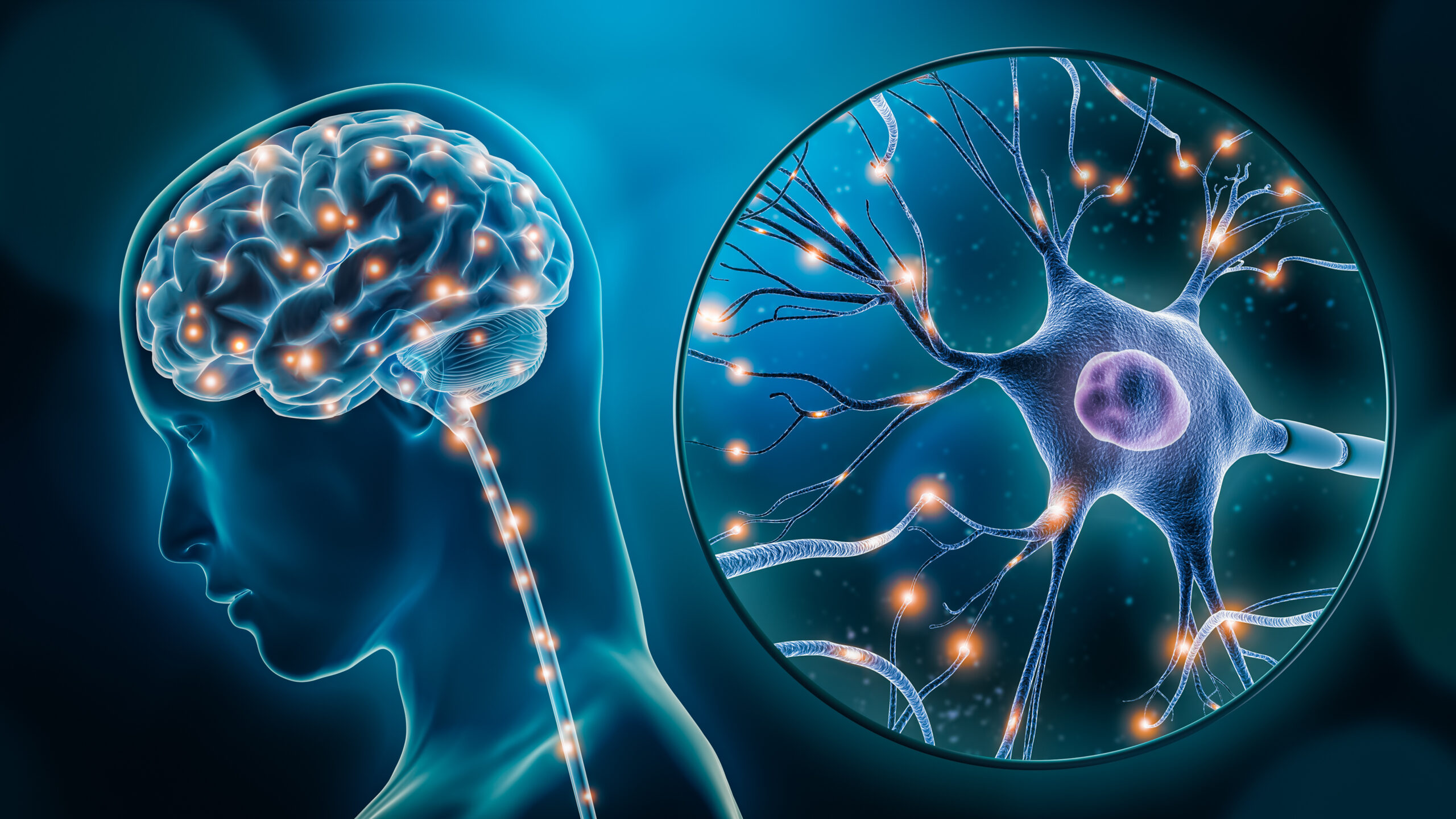
It is important to understand that the nervous system is not static. It is constantly adapting, rewiring, and responding to internal and external stimuli. When we overlay data collection systems onto this biological network, we are essentially creating a feedback loop between human experience and digital interpretation.
This raises an important clinical insight. Pain is not simply a signal of injury. It is an evolving communication system between the body and the brain. When that system is continuously measured, we gain visibility into patterns that were previously invisible.
In conditions such as neuropathy, sciatica, or chronic spinal pain, this type of mapping may eventually help us identify not just where pain exists, but how it behaves over time.
Clinical Implications: Precision Without Overreach
While the future of data-driven pain medicine is promising, it must be approached with caution. More data does not automatically mean better care. In fact, excessive reliance on metrics can sometimes obscure the lived human experience of pain.
In my practice, I continue to emphasize a multimodal approach. This includes medication when appropriate, physical therapy, chiropractic care, and minimally invasive interventional techniques such as injections. More advanced options like spinal cord stimulation, peripheral nerve stimulation, and regenerative therapies also play a role in selected patients.
The key is integration. Data should inform clinical judgment, not replace it. A patient is never just a dataset. They are a full system of biology, emotion, environment, and lived experience.
The Human Element in a Data-Driven Future
Perhaps the most important question in this evolving landscape is not what we can measure, but what we should measure. As pain becomes increasingly digitized, there is a risk of losing sight of the human narrative behind the numbers.
A score may indicate improvement, but it does not always capture relief. A graph may show stability, but not necessarily restored quality of life. This is where clinical experience, empathy, and patient-centered care remain irreplaceable.
The future of pain medicine will likely live at the intersection of data science and human understanding. When used responsibly, data can help us treat earlier, more precisely, and more effectively. But it must always serve the patient, not define them.
If you have any questions or would like to get in touch with Dr. Nikesh Seth, please feel free to reach out via email at admin@gpsaz.net or by phone at 602-610-7299.